Accessibility Tools
Skip to main content

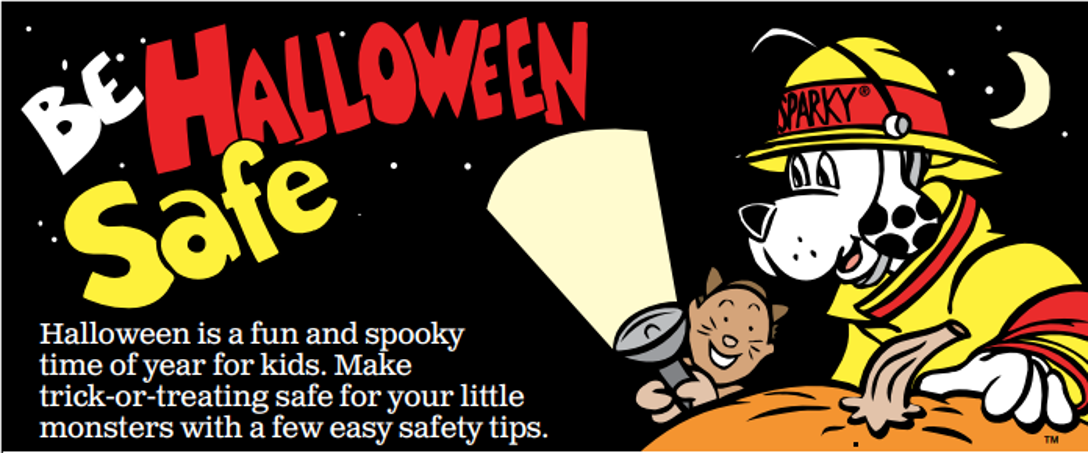
Halloween Fire Safety Tips

Incline Village, NV — As Halloween approaches, the North Lake Tahoe Fire Protection District (NLTFPD) encourages families to take a few simple precautions to help keep decorations, costumes and trick-or-treating safe.

The National Fire Protection Association (NFPA) reports that an average of 835 home structure fires per year began with decorations between 2020 and 2024. Nearly half of those fires involved decorations placed too close to a heat source, and about one-third were started by candles.

NLTFPD recommends these fire safety tips:

  • Use battery-operated candles or glow sticks in jack-o’-lanterns and other decorations.
  • Keep decorations away from open flames and heat sources, including light bulbs and heaters.
  • Choose costumes without long, trailing fabric. If a costume includes a mask, make sure the eye openings allow the wearer to see clearly.
  • Give children flashlights or add glow sticks to their costumes so they can see and be seen.
  • Teach children to stay away from open flames, including candles in jack-o’-lanterns.
  • Keep decorations clear of doors and other exits so they do not block escape routes.
  • Check that smoke alarms are working.

A Message From NLTFPD

“Taking a few minutes to check decorations, costumes and smoke alarms can help families enjoy a safer Halloween,” said Fire Marshal John James.

Learn More & Stay Informed

For more Halloween fire safety information, visit: https://www.nfpa.org/education-and-research/home-fire-safety/halloween

###


NFPA_Halloween_Safety_Tips.png

North Lake Tahoe Fire Protection District Announces Conclusion of 2026 Curbside Chipping Season on October 31 and Availability of Defensible Inspections

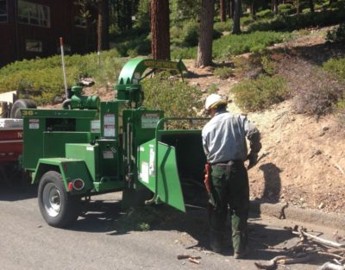
Incline Village, NV — The North Lake Tahoe Fire Protection District (NLTFPD) reminds residents that the 2026 Curbside Chipping Program will conclude on Saturday, October 31, 2026.

“Curbside chipping is an important tool in managing vegetation and maintaining defensible space around homes,” said Division Chief Powning. “Residents who plan to participate this year should submit their requests by October 31. Meeting the deadline gives our crews time to review and schedule requests before the program pauses for winter.”

How to Schedule Pickup

Residents must request pickup online through the official NLTFPD Curbside Chipping page:
🔗 www.nltfpd.org/curbside-chipping

Program Guidelines

  • Piles must be placed curbside and easily accessible
  • Branches should be no larger than 6 inches in diameter
  • Maximum pile size: 20 ft length × 6 ft height × 6 ft width
  • No stumps, roots, garbage, nails, lumber, or pinecones
  • Commercial piles are not accepted, these are piles created by a contractor or landscaping company, rather than by a homeowner
  • Chips will be left on site for residents to use safely

Requests are typically completed within one week. Timing may vary depending on fire assignments or staffing availability.

Defensible Space Inspections (DSI)

Defensible space inspections can still be scheduled by calling (775) 831-0351, ext. 8130 after October 31. Please note, inspections are subject to weather conditions.

Final Reminder

Residents have until Saturday, October 31, 2026, to submit a chipping request. After that date, the program will pause for the winter season and resume in spring 2027.

Learn More & Stay Informed

For more information or to submit your request, please visit: www.nltfpd.org/curbside-chipping

###


A_crew_member_stands_beside_a_green_chipper_and_a_small_pile_of_branches_at_the_edge_of_a_residential_road._Trees_and_cleared_vegetation_are_visible_in_the_background.jpg

FIRE EXTINGUISHERS AND ESCAPE PLANNING: KNOW WHEN TO ACT AND WHEN TO GET OUT

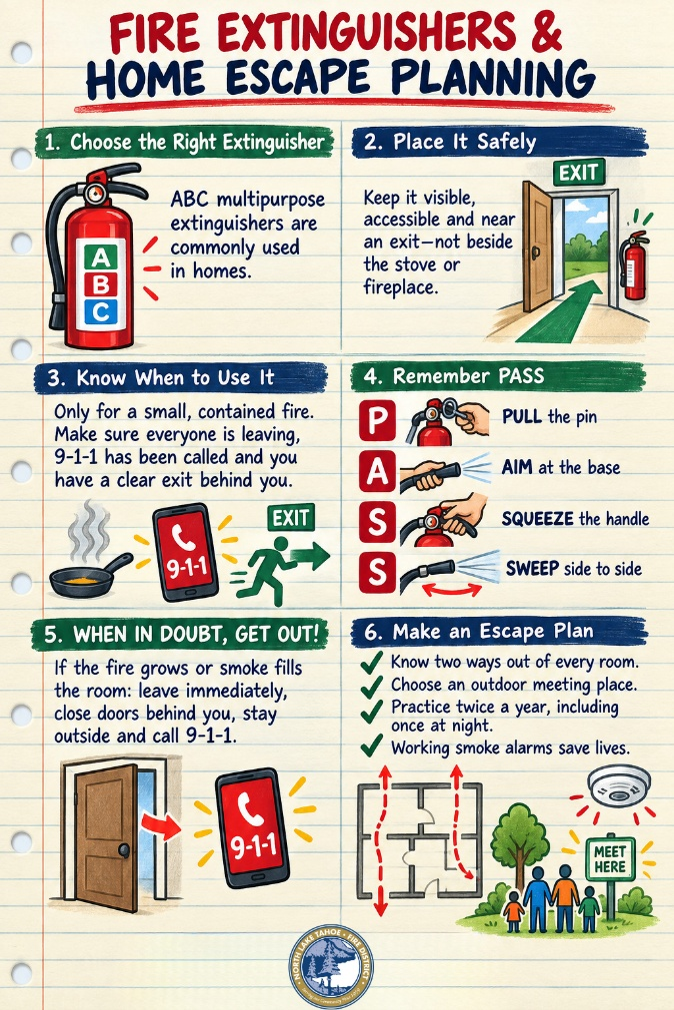
Incline Village, NV — A portable fire extinguisher can help control a small fire, but it is not a substitute for working smoke alarms or a practiced home fire escape plan. The North Lake Tahoe Fire Protection District (NLTFPD) encourages residents to understand how and when to use a fire extinguisher—and to make getting everyone safely outside the first priority.

Choose the Right Extinguisher

Portable fire extinguishers are labeled according to the types of fires they are designed to extinguish:

  • Class A: Ordinary materials such as wood, paper, cloth, rubber and many plastics.
  • Class B: Flammable liquids such as gasoline, oil, paint and some solvents.
  • Class C: Energized electrical equipment.
  • Class D: Combustible metals, such as magnesium and sodium.
  • Class K: Cooking oils and fats commonly found in commercial kitchens.

Multipurpose Class ABC extinguishers are commonly used in homes. Choose an extinguisher listed by a nationally recognized testing laboratory that is large enough to control a small fire but easy to handle.

Extinguishers should be visible and readily accessible along a normal exit path. Do not place one next to a stove, fireplace or other potential fire source where flames or smoke could prevent you from reaching it. Check the pressure gauge regularly and replace or service the extinguisher according to the manufacturer’s instructions.

Know When to Use an Extinguisher

Only attempt to use an extinguisher when:

  • The fire is small, contained and not spreading.
  • Everyone else is leaving the home.
  • Someone has called 9-1-1.
  • The room is not filled with smoke.
  • You have a clear escape route behind you.
  • You are comfortable operating the extinguisher.

Remember PASS

When operating a fire extinguisher, remember the word PASS:

  • Pull the pin.
  • Aim low at the base of the fire.
  • Squeeze the handle slowly and evenly.
  • Sweep the nozzle from side to side.

Even if the fire appears to be out, leave the building and wait for the fire department to confirm that the area is safe.

Have a Home Fire Escape Plan

A fire can spread quickly, leaving only a few minutes to escape after a smoke alarm sounds.

Every household should have a plan that includes:

  • Two ways out of every room, when possible.
  • A designated outdoor meeting place that is a safe distance from the home.
  • Working smoke alarms inside every sleeping room, outside each sleeping area and on every level of the home.
  • Assistance for young children, older adults, household members with disabilities and anyone who may need help evacuating.
  • A plan for safely evacuating pets without delaying your own escape.
  • Practice drills at least twice a year, including one at night.

Make sure windows and doors open easily and that escape routes remain clear. A closed door may help slow the spread of smoke, heat and fire. When leaving, close doors behind you if it is safe to do so. Once outside, stay outside. Never return to a burning building for belongings, pets or any other reason. Call 9-1-1 from outside and tell the dispatcher if anyone may still be inside.

A Message from NLTFPD

“Fire extinguishers can be valuable when a fire is small and contained, but personal safety must always come first,” said Fire Marshal John James. “If there is any doubt about whether you can safely control the fire, get outside, stay outside and call 9-1-1.”

Learn More & Stay Informed

For more information about Fire Extinguishers and home fire escape plan visit: https://www.nfpa.org/education-and-research/home-fire-safety/fire-extinguishers

###
 

NLTFPD Fire Extinguisher Home Escape Planning

NATIONAL EMERGENCY PREPAREDNESS: HELPING OUR COMMUNITY STAND READY

Incline Village, NV — In recognition of September as National Preparedness Month, the North Lake Tahoe Fire Protection District (NLTFPD), in collaboration with Washoe County, is reminding Incline Village residents that wildfire is a year-round risk in our community. With dry summers, strong winds and the unique landscape of the Sierra Nevada and Lake Tahoe Basin, residents must remain vigilant and continue learning how to live safely with fire.

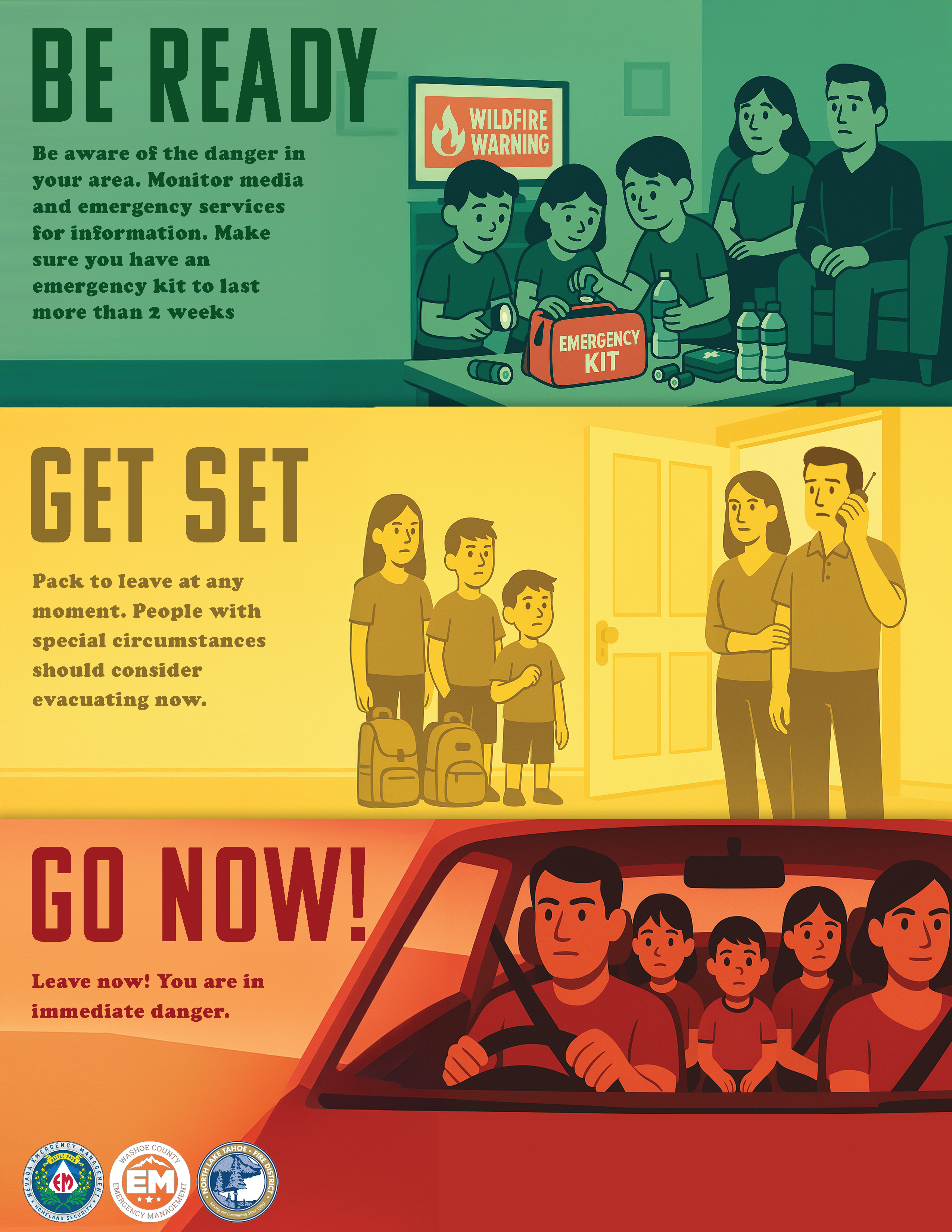
Washoe County and local public safety agencies use the nationally recognized Ready, Set, Go! program to provide clear, consistent direction before and during a wildfire evacuation. Understanding each stage ahead of time can help residents make decisions quickly when conditions change.

Know Ready, Set, Go!

Ready, Set, Go! uses a simple color-coded model: green means Ready, yellow means Set and red means Go.

  • Be Ready — Be aware of danger in your area and monitor official media and emergency services for information. Prepare an emergency kit with supplies to last more than two weeks.
  • Get Set — Pack and be ready to leave at a moment's notice. People with special circumstances or anyone who needs additional time should consider evacuating early.
  • Go Now — Leave immediately when directed. You are in immediate danger. Do not wait, and do not return until officials say it is safe.

Why This Matters

Preparedness saves lives. Ready, Set, Go! encourages residents to prepare before wildfire strikes and emphasizes leaving early when conditions become dangerous. Early action helps protect families and neighbors while keeping evacuation routes clearer for first responders.

A Message from NLTFPD

“Preparedness does not have to happen all at once, but it does need to start before an emergency,” said Fire Chief Ryan Sommers. “When residents have a plan, know how they will receive alerts and are ready to leave early, it protects their families and helps our firefighters focus on the emergency.”

Learn More & Stay Informed

Residents are urged to sign up for Washoe County’s emergency alerts and follow official county and fire district social media channels for timely information during emergencies.

Washoe County uses several methods to alert the public during an emergency. Residents are encouraged to sign up for the Rave Alert/Smart911 system, which can deliver notifications by phone and email. Public safety officials may also communicate through the Emergency Alert System on radio and television, Wireless Emergency Alerts on compatible cell phones, reverse-dial calls to landlines, and official social and traditional media channels.

For more resources on how to get Ready, Set, Go! visit: https://www.washoecounty.gov/em/

To sign for Washoe County Rave Alert/Smart911 visit:

https://www.washoecounty.gov/em/regional-alerts/index.php

###